Instruction
Suspect Tactics and Perimeter Containment Class
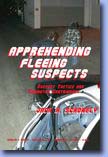
 The class is titled “Suspect Tactics and Perimeter Containment.” This class is an 8-hour, high speed, multi media, PowerPoint presentation that includes almost an hour of video. The class was designed for patrol officers, field supervisors, K-9 handlers, SWAT team members, air crews, and tactics trainers. The techniques and tactics certainly apply to many of the missions the United States military is currently involved in around the world.
The class is divided into three sections; suspect tactics, perimeter containment, and officer down debriefs.
Suspect Tactics
The suspect tactics section is an in depth look at the trends and tactics being used by criminals attempting to evade capture on foot. Suspects have learned a great deal over the years about law enforcement tactics. They are learning from their successes and failures. The tactics they are using today have changed dramatically from the tactics used 5 or 10 years ago. An excellent example of this is how suspects are using cell phones to evade officers. Much of this information come from criminals themselves during post arrest debriefs.
This section of the class also takes a thorough look at suspect hiding locations and officer search tactics and techniques. Suspects are hiding in more and more unusual locations. Officers must be thorough, patient, and systematic on every search they conduct or they will miss suspects. Officer safety and specific search techniques are taught so that officers remain safe and more criminals are apprehended. This section is updated frequently to keep officers aware of the latest tactics being used.
Perimeter Containment
The second section of the class is about a proven technique to contain and capture suspects on the run, perimeter containment. Law enforcement officers are taught the basics of this technique with a concentrated discussion of communication during foot pursuits, responsibilities of responding units, perimeter management, supervisor’s responsibility, use of specialized units, decision making, and debriefing techniques. Officers armed with the knowledge of suspect tactics along with this perimeter containment information can make much better tactical decisions. These good decisions during a critical incident make perimeters more effective, efficient, successful, and most importantly SAFE for officers involved.
Officer Down Debriefs
The final section of the class debriefs 5 “shots fired officer down” scenarios as they relate to perimeter containment. These real life situations vividly demonstrate the importance of containing an area for a suspect who just assaulted or murdered a law enforcement officer. Avoiding “tunnel vision” and “thinking outside the box” are both discussed at length. Successes and failures by officers responding to these critical incidents will be evaluated so we can all learn lessons apply to future incidents.
These types of tragic incidents happen to law enforcement agencies of all sizes with a wide variety of assets available. Jack customizes the training to every agency he trains. Some type of containment is a must in order to capture the most dangerous and desperate criminal we face in law enforcement.
Video is used throughout the training to show real life suspects in action attempting to evade law enforcement. It is a great training tool to reinforce the tactic being discussed.
This training provides tactical options for any officer involved in chasing a criminal on foot. That is an every day occurrence in law enforcement and one that receives little or no training. Numerous officers are injured and killed every year during this scenario and we must all do everything we can to prepare before the next foot pursuit.
“When the time to perform arrives, the time to prepare has passed.”
This statement applies to everything we do in law enforcement. Preparing for a critical incident like an officer down or a terrorist event should be a high priority for all of us in law enforcement. This class is an essential first step in that preparation.
Jack is a member of the International Law Enforcement Educators and Trainers Association (ILEETA).
Contact Jack today for further information, questions, and scheduling of this class.